
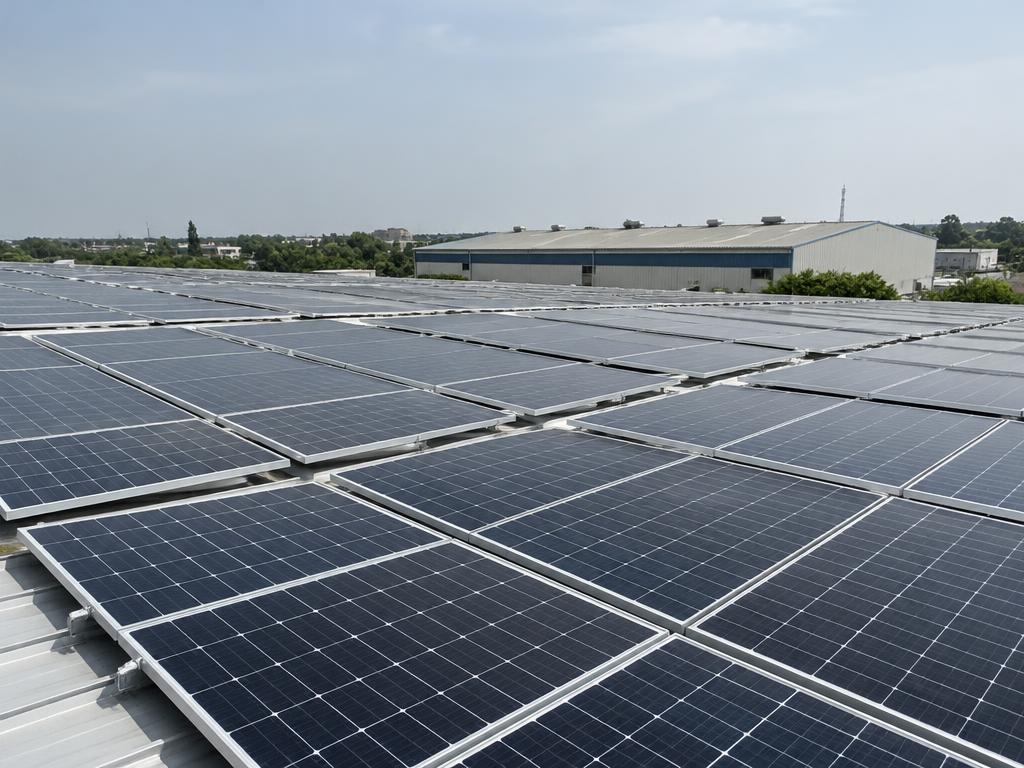
Energy available when you need it.
A BESS charges from the grid, solar or a generator, stores that energy in batteries, and discharges it to your loads when required — controlled by software that decides when to charge and when to supply.
kW / MW
Power rating — how quickly the system can charge or discharge.
kWh / MWh
Energy capacity — how much energy the system can store.
A connected system.
Configuration depends on the application; these are the building blocks of a typical installation.
Battery modules
Store electrical energy in racks or containerised enclosures.
Battery management system
Monitors cell voltage, temperature and state of charge to protect the batteries.
Power conversion system
Converts between DC battery power and the AC power used by the facility.
Energy management system
Decides when to charge and discharge based on the chosen operating strategy.
Thermal management
Keeps batteries within suitable operating temperatures.
Protection equipment
Switchgear and safety systems appropriate to the installation.
From first conversation to long-term care.
Assessment
Review load data, tariffs, existing DG and solar, and site conditions.
System design
Define power rating, capacity and operating strategy.
Installation
Coordinate equipment, civil and electrical works on site.
Commissioning
Test, integrate and hand over the operating system.
Maintenance
Ongoing monitoring, servicing and support.